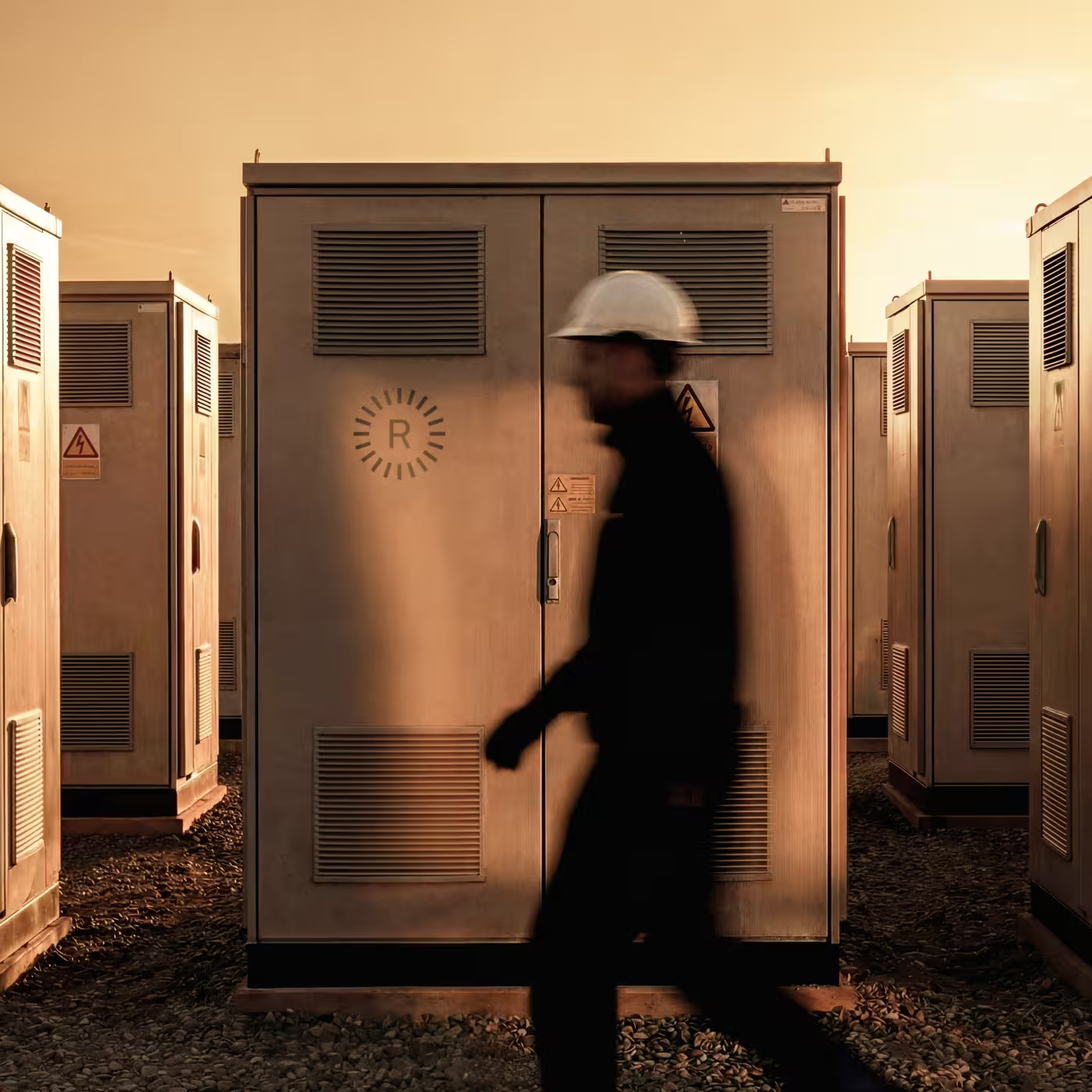
Hüffenhardt is an established energy site:
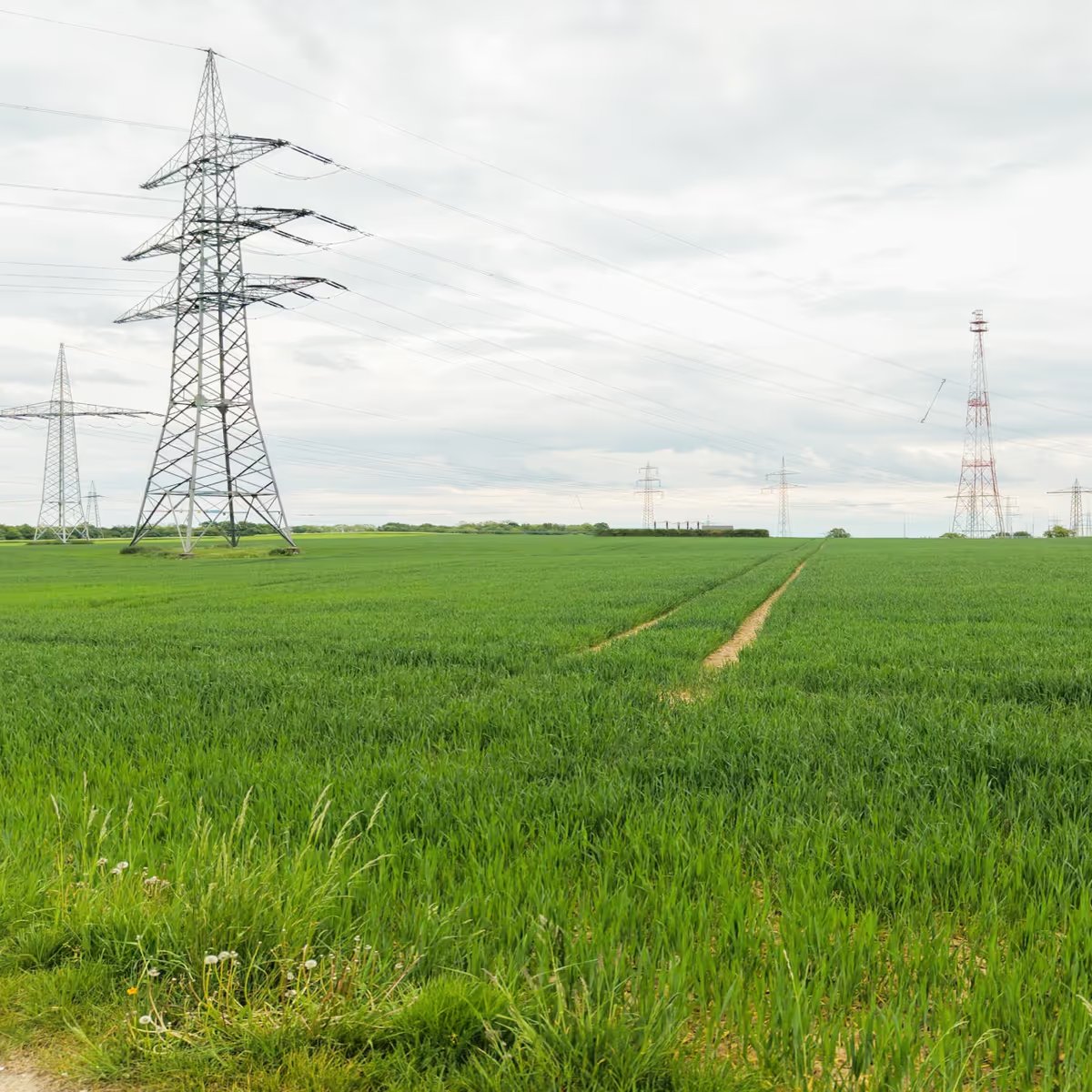
The planned battery storage facility is to be built directly at the Hüffenhardt substation. This project builds on a location that already plays an important role in the power supply today. The immediate proximity to the substation offers good conditions for grid connection. This allows the existing infrastructure to be used sensibly and expanded in a targeted way.
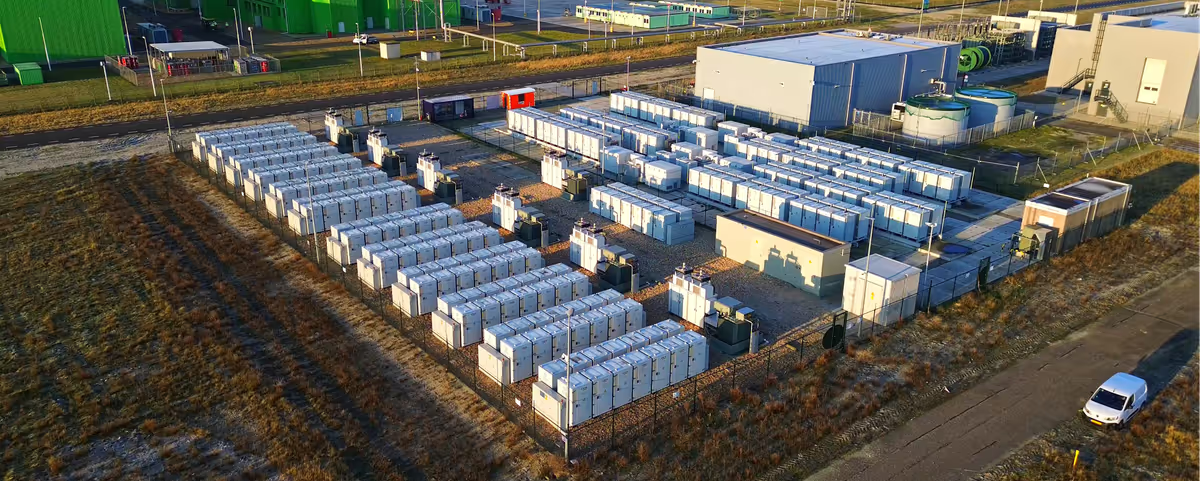
The plant involves a battery energy storage system (BESS) in container design with lithium iron phosphate batteries. Battery storage facilities like the one in Hüffenhardt are important for stabilizing the power grid. Electricity is generated even when it isn’t currently needed. The storage shifts energy over time and fills gaps. It is supplemented by the technical equipment for the grid connection: each battery container contains battery modules, a battery management system, and its own cooling. Inverters convert the direct current from the batteries into grid-compatible alternating current, and transformers adjust the voltage to the power grid. The facility is monitored around the clock by control and monitoring technology (more on this in the section “Safety & Environmental Protection”).




A battery storage facility brings a variety of benefits.
Safety & environmental protection are the top priorities in operating the battery storage facility.
Safety:
The facility is monitored 24/7. A fence protects against unauthorized access. The use of lithium iron phosphate cells is standard for large-scale storage. This cell chemistry is particularly stable.
In the very unlikely event of a fire, the automatic aerosol extinguishing system suffocates any flames that arise.
Environment/Health:
The battery storage facility integrates fluctuating generation (wind and solar). The battery storage will be blended into the landscape with a hedge. After the end of operation, there is an obligation to fully dismantle the facility.
During operation, no exhaust gases, dust, or odors are produced. The storage facility causes no harmful environmental effects from noise. The legal guideline values are met, even when taking existing background noise into account, at the residential buildings near the substation, and are clearly undercut at the edge of town on Semmelweisstraße. The edge of town is 350 meters away.

From our battery storage facility, not only the energy transition and the power grid should benefit, but also the people on the ground.
All residents of Hüffenhardt have the opportunity to take part in the project with their own investment and benefit from attractive interest rates. This way, part of the value creation stays in the region, and citizens can directly take part in the project’s development.
Return will announce the information on citizen participation and the specific terms no later than the start of operations in 2028.

The Return J&P GmbH develops and operates battery storage facilities, making a concrete contribution to the energy transition. As part of the Return Group, we are the leading independent provider of energy storage solutions in Europe, with offices in Berlin, Munich, and Hamburg. We create infrastructure that gives our customers access to a network of high-performance large-scale storage. We take responsibility for this future technology: we develop and operate our large-scale storage facilities, such as the planned facility in Hüffenhardt, ourselves. We provide storage capacity as a service. In Germany, Return is driving the expansion of energy storage to strengthen the stability and flexibility of the power grid. We maintain close contact with grid operators. It is important to us to shape development on site together with local residents in a responsible, transparent, and sustainable way. Energy infrastructure is a matter of trust. That is why we rely on open dialogue, understandable information, and fixed contact persons who are available at any time for questions and concerns.